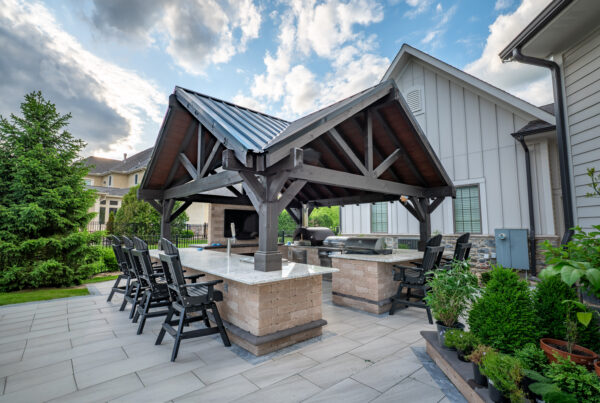

DIY landscaping can save money on labor, but the total cost includes much more than plants, mulch, or pavers. Homeowners should also budget for site preparation, equipment rentals, delivery, disposal, permits, ongoing maintenance, and possible repairs.
For a small garden bed or a simple planting project, doing the work yourself may be a rewarding and affordable choice. Larger projects, such as paver patios, retaining walls, and outdoor kitchens, require more planning, specialized tools, and experience.
Before you pick up a shovel, take a closer look at the costs and considerations that can affect your project.
How Much Does DIY Landscaping Cost in Central Ohio?
The cost of DIY landscaping depends on the size of your project, the materials you select, the condition of your property, and the tools and equipment you need.
A small planting bed may require plants, mulch, soil, and a few basic tools. A new paver patio, on the other hand, may involve excavation, gravel, bedding material, pavers, edging, equipment rental, and removal of excess soil.
To estimate your project, add up the following:
- Plants and landscaping materials
- Pavers, wall blocks, or other hardscape materials
- Base materials, edging, and other installation supplies
- Equipment rental and safety gear
- Delivery and disposal fees
- Permit and application fees, when applicable
- Extra materials for cuts, waste, or replacements
- Ongoing watering and maintenance
- A contingency for unexpected site conditions or repairs
Tip: Get current quotes from local suppliers and equipment rental companies before setting your budget. Prices can vary based on product quality, delivery distance, availability, and the time of year.
What Affects the Cost of a DIY Landscaping Project?

Project Size and Complexity
Larger projects generally require more materials, more time, and more preparation. However, size is only part of the equation.
For example, a small patio on a sloped yard may be more complicated than a larger patio on level ground. Features such as steps, curves, retaining walls, drainage systems, and built-in fire features can also add to the work and expense.
Before purchasing materials, measure your space and consider how the project will affect existing drainage, walkways, and nearby structures.
Plants, Soil, Mulch, and Other Materials
Plant prices vary depending on the species, size, and maturity of each plant. Soil and mulch costs depend on the type and quantity you need.
Buying in bulk may reduce the cost per unit, but be sure to include delivery fees and consider where the materials will be placed until you are ready to use them.
When selecting plants, look beyond the purchase price. Choose varieties suited to your property’s sunlight, soil, and moisture conditions. A plant that thrives in the right location may require less replacement and maintenance over time.
Tools and Equipment
A basic garden project may require a shovel, rake, wheelbarrow, and gloves. Larger projects may call for equipment such as:
- A plate compactor
- A paver saw
- Excavation equipment
- A tiller
- A trailer or truck for hauling materials
Rental rates, delivery charges, fuel, and the length of the rental period can all affect your budget. If the project takes longer than expected, additional rental days can add up.
Hidden Costs of DIY Landscaping
Site Preparation and Excavation
A successful outdoor project starts with the ground beneath it. Excavation and preparation may involve removing sod, digging out soil, addressing roots, and creating a stable base.
For a paver patio or walkway, an improperly prepared base can contribute to uneven surfaces, settling, or drainage problems. Correcting these issues later may involve lifting and reinstalling part of the patio.
Site conditions can also be difficult to predict. You may uncover buried debris, compacted soil, or drainage concerns that require additional work.
Drainage and Grading
Water needs a place to go. If a new patio, walkway, or retaining wall changes the way water moves across your yard, it may create puddling, erosion, or drainage problems near your home.
Before starting, consider the slope of your property and where rainwater currently flows. More complicated drainage or grading concerns are often worth discussing with a professional before construction begins.
Permits and HOA Approval
Depending on where you live and what you plan to build, your project may require zoning approval, a building permit, or approval from your homeowners association.
Patios, retaining walls, pergolas, decks, and other outdoor features may be subject to local rules. Requirements vary by municipality, township, project type, and property, so contact your local building or zoning department and your HOA before beginning work.
Starting without required approvals could lead to delays, fines, or changes to completed work.
Utility Location
Before digging, contact OHIO811 to request the location of underground utility lines. This step helps reduce the risk of damaging a line and facing service interruptions, repair costs, or injuries.
Ask about any privately owned lines that may need to be located separately, such as lines serving outdoor lighting or other backyard features. OHIO811 explains that its participating utilities mark the approximate locations of their lines, and care is still needed when digging near the markings. oups.org
Delivery, Hauling, and Disposal
Soil, gravel, pavers, and wall blocks are heavy. Depending on the scope of your project, you may need to pay for material delivery, a trailer rental, a dumpster, or disposal of excavated soil and old materials.
Ask suppliers about delivery fees, minimum orders, and where materials can be unloaded. Also check local disposal requirements before removing concrete, soil, or other debris.
Mistakes, Repairs, and Replacement Materials
Even a carefully planned project can encounter setbacks. Uneven pavers, misplaced plants, poor drainage, or incorrect measurements can lead to additional purchases or repairs.
Ordering a reasonable amount of extra material can help account for cuts and waste. For more complex installations, professional planning and installation may help reduce the risk of costly corrections.
Your Time and Ongoing Maintenance
DIY landscaping requires more than the time spent installing materials. You may also need time to research products, pick up supplies, prepare the site, and clean up afterward.
Once the project is complete, plants and outdoor surfaces require care. Newly installed plants need attention as they become established, and watering needs vary based on the plant, soil, weather, and season.
DIY Landscaping vs. Hiring a Professional
| Consideration | DIY landscaping | Professional landscaping |
|---|---|---|
| Labor | You provide the labor, which can reduce upfront costs. | Labor is included in the project price. |
| Time | You manage planning, purchasing, installation, and cleanup. | A team handles the work and coordinates the project. |
| Equipment | You may need to rent or purchase tools. | The contractor generally provides the equipment needed. |
| Design and installation | Results depend on your experience and preparation. | Professionals bring design and installation experience. |
| Permits and approvals | You are responsible for identifying and obtaining required approvals. | Ask the contractor which approvals they handle and which remain your responsibility. |
| Repairs and warranties | You generally handle corrections yourself. | Warranty coverage varies, so request the details in writing. |
The right choice depends on your budget, experience, available time, and the complexity of the project. DIY can be a great fit for some improvements, while professional help may provide value for projects involving structures, drainage, or extensive excavation.
Which Landscaping Projects Are Suitable for DIY?
Homeowners who enjoy working outdoors may feel comfortable handling projects such as:
- Adding mulch to an existing garden bed
- Planting flowers or small shrubs
- Creating a container garden
- Refreshing a simple landscape border
- Performing routine garden maintenance
Even for smaller projects, check for underground utilities before digging and make sure your plant selections are appropriate for the space.
When Should You Hire a Landscaping Professional?

Professional help is especially useful when a project involves:
- A large paver patio or walkway
- Retaining walls or significant changes in elevation
- Drainage concerns or extensive grading
- Steps, outdoor kitchens, or fire features
- Large trees or difficult site access
- Multiple outdoor features that need to work together
A landscaping professional can help you evaluate the property, develop a design, select materials, and plan the installation. They can also help identify questions to discuss with your local permitting office or HOA.
How to Compare DIY and Professional Landscaping Costs
Before deciding which approach is right for you, prepare a complete DIY budget and compare it with a written professional estimate.
When reviewing an estimate, ask:
- What materials and preparation work are included?
- Are excavation, delivery, and disposal included?
- How will drainage and grading be addressed?
- Who is responsible for permits and HOA approval?
- What is the anticipated project timeline?
- What warranty coverage is offered?
- How will unexpected site conditions be handled?
Comparing the full scope of work can help you make a more informed decision than comparing material prices alone.
Frequently Asked Questions About DIY Landscaping Costs
Is it cheaper to landscape your own yard?
DIY landscaping can be less expensive because you are providing the labor. However, your total cost will also include materials, tools, equipment rentals, delivery, and potentially disposal or permit fees. The savings depend on the project and whether unexpected repairs are needed.
What is the most expensive part of a DIY landscaping project?
The largest expense depends on the project. Materials may be the biggest cost for a planting bed, while excavation, base materials, equipment, and hardscape products can represent a significant portion of a patio or retaining wall budget.
Do I need a permit for a patio or retaining wall in Central Ohio?
Permit requirements vary by location and project. Contact your local building or zoning department before starting, and check with your HOA if your property is part of an association. Do not assume that a project is exempt because it is in your backyard.
Can I install a paver patio myself?
Some homeowners install their own paver patios. The work requires careful excavation, base preparation, compaction, grading, and attention to drainage. If the patio is large, located on a slope, or connected to steps or retaining walls, consider consulting a professional.
Is hiring a landscaper worth the cost?
Hiring a professional may be worthwhile when you want help with design, installation, equipment, and project coordination. It can be particularly valuable for complex projects where drainage, structural concerns, or site preparation affect the finished result.
How can I reduce landscaping costs without sacrificing quality?
Start with a clear plan and prioritize the features that matter most. You may also be able to complete your project in phases, choose materials that fit your budget, and handle simpler maintenance or planting tasks yourself. Ask your contractor which options make sense for your property.
Plan Your Outdoor Project with Flores Landscapes

Whether you are considering a new patio, walkway, fire feature, or a complete backyard transformation, thoughtful planning can help you make the most of your investment.
Flores Landscapes works with homeowners throughout Central Ohio, including Powell, Dublin, Delaware, Lewis Center, and New Albany, to create outdoor spaces designed for their homes and lifestyles.
Ready to explore your options? Call (614) 893-3881 or visit Flores Landscapes to schedule your complimentary assessment.